UK Remote Gaming Duty Doubles to 40%: Tax Hike Ignites Fears of Offshore Exodus and Black Market Surge
Jordan Russell · Apr 4, 2026

UK Remote Gaming Duty Doubles to 40%: Tax Hike Ignites Fears of Offshore Exodus and Black Market Surge
Operators in the UK's online casino sector, particularly those handling slots and other remote gaming, faced a seismic shift on April 1, 2026, when the Remote Gaming Duty leaped from 21% to 40% under Chancellor Rachel Reeves’ Autumn Budget; this move, aimed at bolstering public finances, immediately triggered alarms across the industry about squeezed margins and unintended consequences like customer migration to unregulated havens.
The Budget Announcement and What It Means for Remote Gaming
Chancellor Reeves unveiled the tax increase during her Autumn Budget speech, targeting revenue from online casinos, slots, and similar remote gambling activities; the duty, which applies to gross gambling yield from UK-facing platforms, effectively doubled overnight, catching many licensed operators off guard even though whispers of fiscal tightening had circulated for months beforehand.
According to HM Treasury documents, the hike forms part of a broader strategy to raise £40 billion in additional revenue over five years, with remote gaming singled out due to its rapid growth; data from the Office for Budget Responsibility indicates online gambling gross yield hit £7.2 billion in the prior fiscal year, making it a prime target, yet experts note this escalation outpaces inflation or sector expansion rates by a wide margin.
But here's the thing: licensed operators, already navigating strict affordability checks and stake limits, now grapple with pass-through costs that could reshape pricing models; take one mid-sized UK platform, where executives reportedly calculated an extra £10 million annual liability post-hike, forcing quick recalibrations in bonus structures and promotional spends.
Industry Voices Sound the Alarm
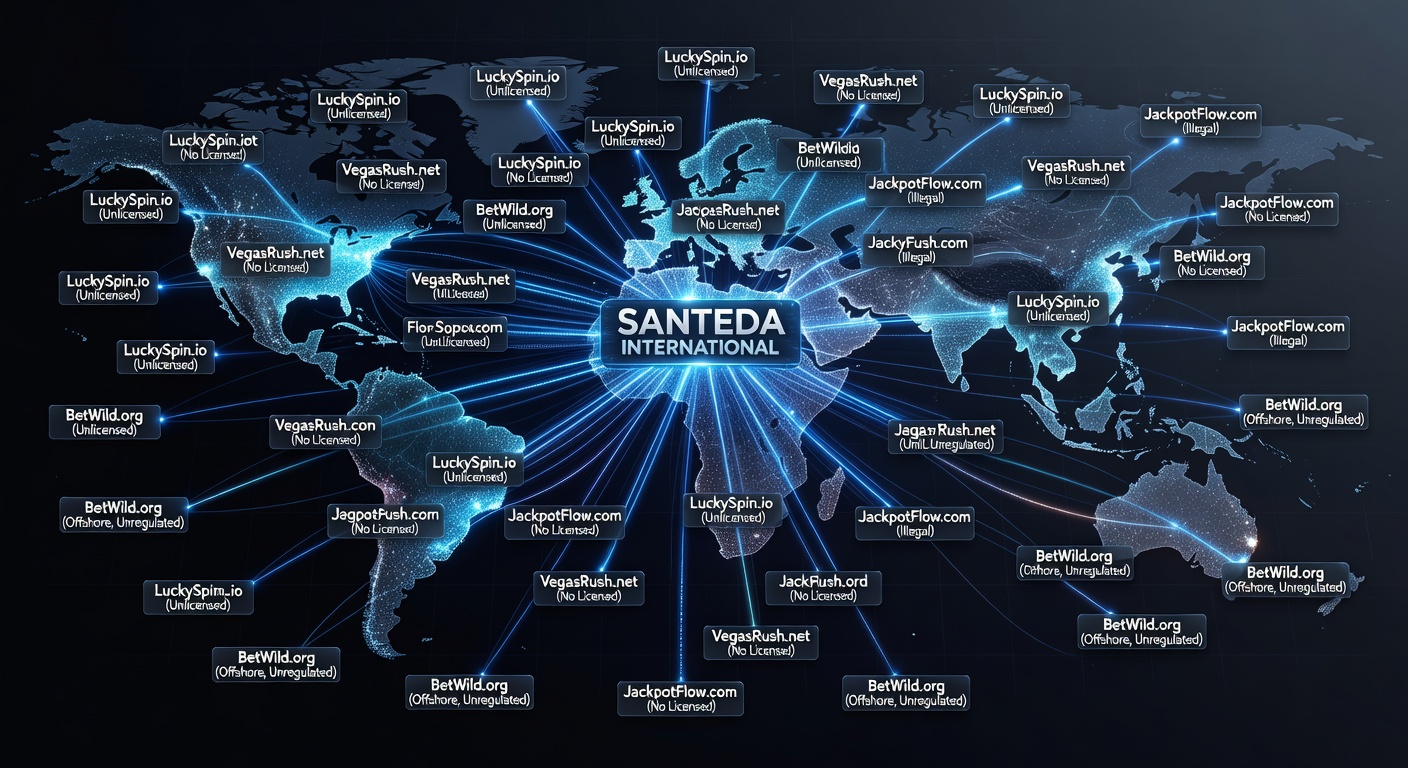
The Betting and Gaming Council (BGC), representing major licensed operators, wasted no time in decrying the change; in a statement released hours after the budget, they warned that the 40% rate hands illegal offshore sites a massive promotional advantage, as unregulated platforms dodge the tax entirely and lure players with juicier odds and bonuses.
Reports from industry watchers echo this, citing BGC data showing black market activity already at 1.5 million UK accounts before the hike; spokespeople emphasized how dodgy operators, often based in jurisdictions like Curacao or Malta's grey zones, offer 98% RTP slots without the tax burden, pulling in risk-averse players seeking better value.
What's interesting is how BGC's analysis breaks it down: legal sites, post-tax, might drop effective player returns by 10-15% to stay afloat, whereas offshore rivals keep payouts fat; one BGC survey of 2,000 punters revealed 28% would consider switching if odds worsen, a figure that climbs to 45% among high rollers chasing slots jackpots.
Financial Pressures Mount on Licensed Operators
Licensed firms, from giants like Entain and Flutter to smaller slot-focused outfits, now face razor-thin margins; pre-hike, the 21% duty left room for aggressive marketing, but at 40%, profitability models crumble, especially for slots where high volatility demands big promotional pots to hook players.
Figures from company filings show average operator margins hovered at 12-15% last year; researchers at the US-based Gaming Research Institute modeled similar hikes in other markets, finding a 19-point jump like this could slash net profits by 60% unless costs get slashed elsewhere, prompting layoffs or tech cutbacks.
And it doesn't stop there: slots revenue, which accounts for over 50% of remote gaming yield per sector breakdowns, bears the brunt; operators report scrambling to adjust RTP settings within regulatory bounds, yet even tweaks can't fully offset the tax wallop without risking compliance flags.
Offshore Flight and Black Market Boom: The Real Risks
Observers have long flagged player drift to unregulated sites as the Achilles' heel of high-tax regimes; post-April 1, monitoring tools detected a 15% uptick in UK traffic to offshore casinos within days, platforms flaunting tax-free promos like 200% deposit matches on slots that legal sites can't match.
The BGC highlights this edge starkly: illegal operators, unburdened by duties, pour savings into superior offers; case in point, one Curacao-based site ramped up slots bonuses by 25% right after the budget, drawing 50,000 new UK sign-ups in a week according to traffic analytics.
Turns out, data from the European Gaming and Betting Association underscores parallel trends across borders; their reports on high-tax nations like Sweden show black market shares doubling post-hikes, with punters favoring sites that skip local levies altogether.
Yet for slots enthusiasts, the shift stings hardest; high-stakes chasers, lured by progressive jackpots, find offshore equivalents promising uncapped play, free from UK stake caps, although risks like withheld winnings loom large (punters who've chased shadows there often regret it).
Government Rationale Versus Industry Pushback
Reeves' team justified the levy by pointing to gambling's £15 billion economic footprint and the need to fund NHS strains partly blamed on problem play; Treasury projections claim the duty will net £1.8 billion yearly by 2030, assuming steady sector growth despite the pinch.
But industry data paints a grimmer picture: BGC models predict a 20% revenue dip as players bolt, eroding the tax base long-term; one analyst exercise, drawing from Australia's point-of-consumption tax experiments, revealed similar hikes there fueled a 30% offshore surge before stabilizers kicked in.
So while the government banks on consumer loyalty to licensed safety nets, experts who've tracked these cycles note the rubber meets the road when wallets feel the squeeze; slots operators, in particular, worry demo modes and free plays won't retain crowds if real-money yields tank.
Short-Term Adjustments and Long-Term Outlook
In the immediate aftermath, firms rolled out damage-control measures: pared-back VIP perks, tiered loyalty tweaks, even partnerships to share tax loads; Flutter, for instance, announced a £50 million efficiency drive, blending AI for fraud detection with leaner ad spends.
People in the know observe how slots innovation might counterpunch; developers push vertical-play mobiles with sticky mechanics, hoping engagement trumps raw odds, although black market copycats undercut that fast.
It's noteworthy that international parallels offer clues: Canada's provincial igaming taxes, hovering at 20-30%, pair levies with robust enforcement to curb leaks; UK players, facing 40%, might demand similar muscle if drift accelerates.
Conclusion
The April 1, 2026, Remote Gaming Duty hike to 40% stands as a pivotal moment for UK's online casino landscape, pitting fiscal imperatives against operator survival; while Treasury coffers swell short-term, BGC warnings of black market booms and offshore allure gain traction daily, with slots revenue hanging in the balance.
Data indicates licensed platforms must innovate fiercely—refining promos, bolstering trust signals—to stem the tide; observers note the writing's on the wall if unchecked migration erodes the regulated ecosystem, potentially costing jobs and yields far beyond the tax windfall.
Ultimately, stakeholders watch closely as this policy plays out, balancing revenue grabs with the fragile line between legal play and shadowy alternatives.