How Touchscreen Interactions Alter Decision Processes in Instant Gambling Environments
Leon Frank · Jul 13, 2026
How Touchscreen Interactions Alter Decision Processes in Instant Gambling Environments
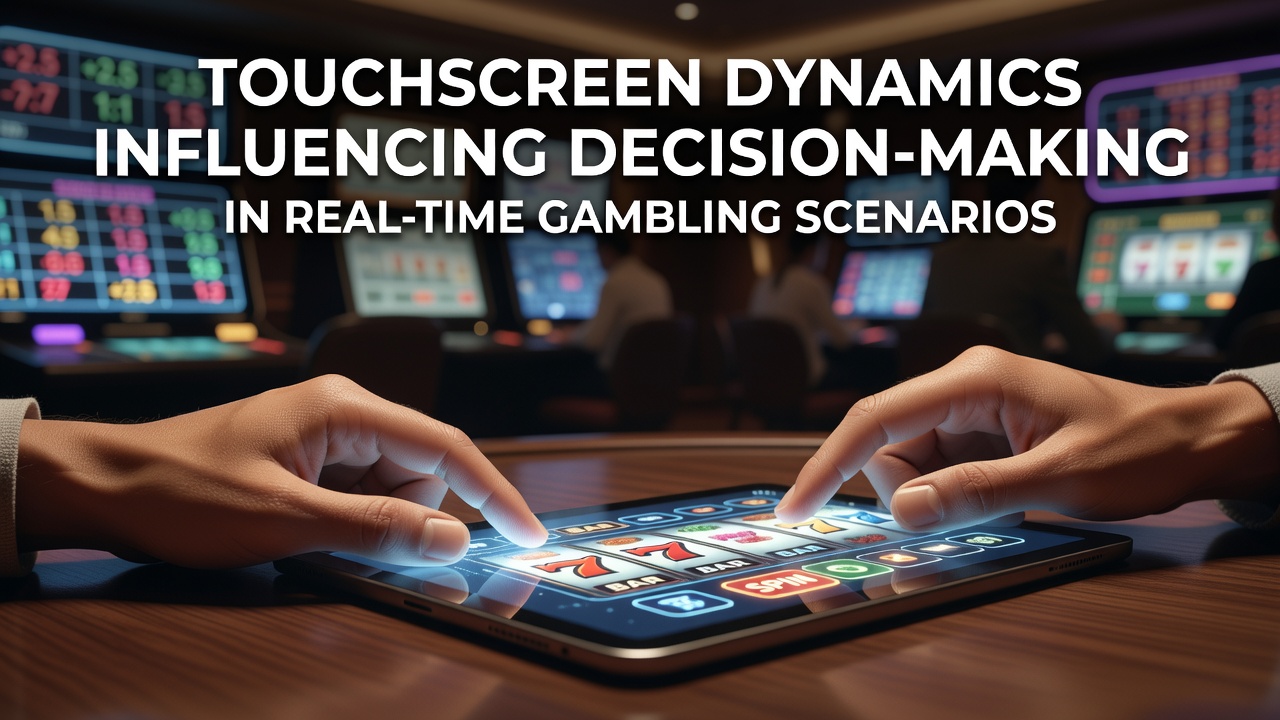
Touchscreen technology has become central to real-time gambling platforms, where users make split-second choices through taps, swipes, and pinches on mobile devices. These physical interactions connect directly with cognitive processes that guide betting selections during active sessions, and researchers continue to examine how interface mechanics shape those choices across various markets.
Data from industry reports show that mobile gambling accounts for over 60 percent of total online wagering activity in several regions by mid-2026, which places increased focus on the role of screen responsiveness. Latency in touch registration, for instance, can interrupt the flow of decision-making when players adjust stakes or activate features within tight time windows.
Gesture Recognition and Response Timing
Modern gambling applications rely on precise gesture detection to translate finger movements into game commands, and studies indicate that delays exceeding 100 milliseconds often lead users to repeat actions unnecessarily. This repetition sometimes results in unintended bets or missed opportunities during live dealer sequences, where timing remains critical.
Developers incorporate predictive algorithms that anticipate common swipe patterns, which helps reduce errors but also influences how quickly players commit to decisions. One analysis from the University of Nevada Reno Gaming Innovation Lab found that smoother gesture flows correlate with higher engagement rates in sessions lasting under five minutes.
Visual Feedback and Cognitive Load
Screen animations and haptic responses provide immediate confirmation of inputs, yet excessive visual elements can raise cognitive demands during rapid play cycles. Players frequently encounter layered interfaces that display odds, balance updates, and bonus triggers simultaneously, and evidence suggests these competing signals affect the speed at which choices finalize.
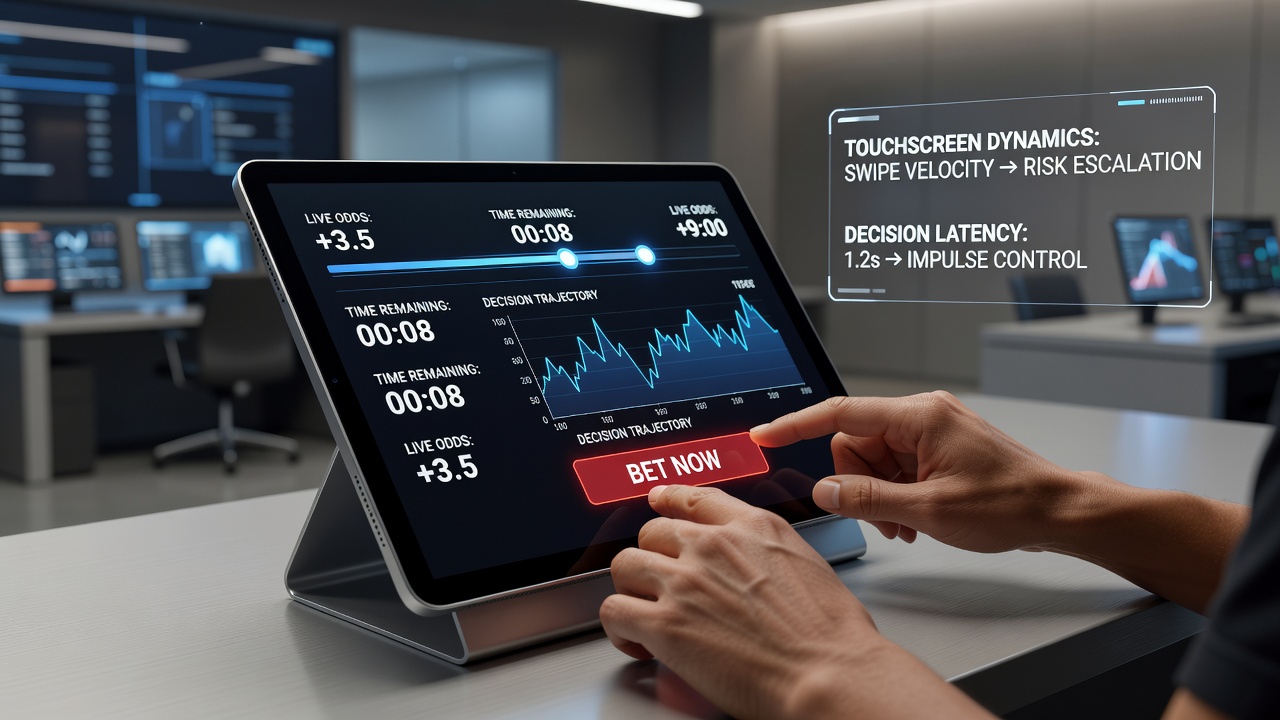
Regulatory bodies such as the Australian Gambling Research Centre have documented how interface density impacts user attention in simulated environments. Their findings reveal that streamlined layouts tend to produce more consistent decision patterns compared with cluttered designs that require additional scrolling or zooming gestures.
Pressure Sensitivity and User Adaptation
Some devices register varying levels of touch pressure, which certain applications now map to different betting intensities or speed controls. Users adapt to these mechanics over repeated sessions, and longitudinal data indicate that experienced players develop muscle memory that speeds up selections while reducing deliberate pauses for review.
Observers note that pressure-based controls can introduce variability when users switch between devices with differing sensor calibrations. This shift sometimes leads to inconsistent outcomes in high-stakes moments, particularly when real-time events demand immediate adjustments to ongoing wagers.
Regional Patterns in Mobile Gambling Behavior
Market research across North America and Europe shows distinct regional preferences for portrait versus landscape orientations during live betting, with portrait modes dominating in shorter session formats. These preferences tie into how thumb reach and screen real estate affect the placement of critical action buttons, which in turn influences the sequence of decisions players make.
Figures from the Responsible Gambling Council in Canada highlight that interface customization options, such as adjustable button sizes, appear linked to steadier wagering patterns among frequent mobile users. Adaptation occurs naturally as individuals refine their interaction styles to match specific game types.
Conclusion
Touchscreen dynamics continue to intersect with decision-making frameworks in real-time gambling through measurable effects on timing, feedback, and gesture precision. Ongoing research tracks these connections across evolving hardware standards, and industry stakeholders monitor outcomes to refine platform designs accordingly. Patterns observed in July 2026 sessions suggest that further refinements in touch calibration may produce additional shifts in how players navigate instantaneous choices on digital interfaces.